Cyber Monday Is HERE - Use code CYBER to save 14% OFF SHOP NOW

0
By Tom Gaylord
reprinted by permission from ShotGun News
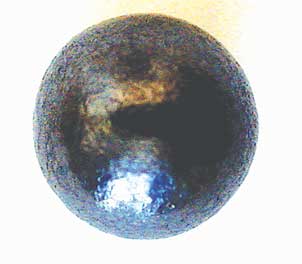 The first BBs were actual shotgun shot, sized BB. They are nominally sized 0.180 inches in diameter. |
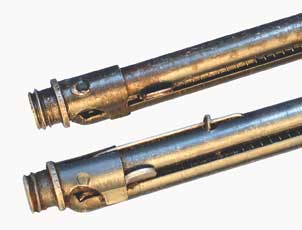 The top shot tube has a punched or swaged constriction (the round dimple) that serves to retain the lead BB before firing. It keeps the BB in place when the barrel is depressed. Bottom tube has a wire spring to serve the same purpose. |
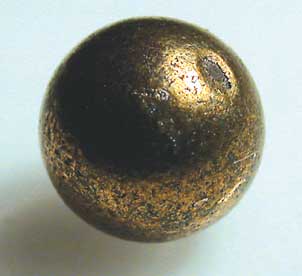 When early steel shot was 'headed' or chopped from steel wire, one or two flat spots remained after the BB was fully formed. This condition prevailed from the mid-1920s into the 1980s. |
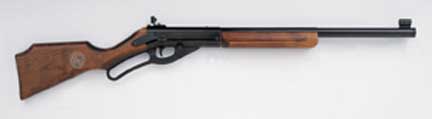 Daisy's Avanti Champion 499 BB gun is "The World's Most Accurate BB Gun." No other BB gun comes close! |
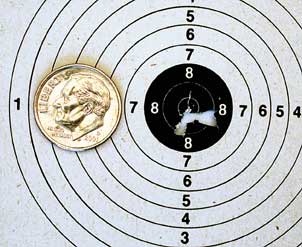 Ten shots from a 499 are incredibly tight. The 10-ring is the tiny circle at the center, and possibles have been recorded in competition! |
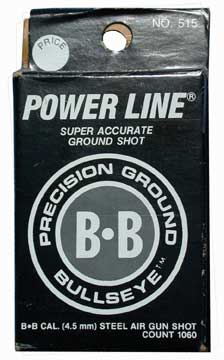 No. 515 Precision Ground shot is the Sierra MatchKing of BBs. |
Buy With Confidence
Get FREE shipping on qualifying orders! Any order $150+ with a shipping address in the contiguous US will receive the option for free ground shipping on items sold & shipped by Pyramyd AIR during checkout. Certain restrictions apply.
Free shipping may not be combined with a coupon unless stated otherwise.
View Shipping Info
We work hard to get all orders placed by 12 pm EST out the door within 24 hours on weekdays
because we know how excited you are to receive your order.
Weekends and holiday shipping times will vary.
During busy holidays, we step our efforts to ship all orders as fast as possible,
but you may experience an additional 1-2 day delay before your order ships.
This may also happen if you change your order during processing.
View Shipping Times
It's important to know that due to state and local laws, there are certain restrictions for various products. It's up to you to research and comply with the laws in your state, county, and city. If you live in a state or city with regulations, you may be able to take advantage of our special FFL program.
U.S. federal law requires that all airsoft products be sold with a 1/4-inch blaze orange muzzle or an orange flash hider to avoid being mistaken for regulated products.
View Shipping Restrictions
Get the most out of your equipment when you work with the expert technicians at Pyramyd AIR. With over 25 years of combined experience, we offer a range of comprehensive in-house services tailored to kickstart your next adventure.
We can test and adjust your equipment in our Pro Shop before shipping, so you receive a product that's ready to perform right out of the box. We can even set up an optic or other equipment so you can get out shooting without the hassle. For bowhunters, our certified master bow technicians provide services such as assembly, optics zeroing, and full equipment setup, which can maximize the potential of your purchase.
By leveraging our expertise and precision, we ensure that your equipment is finely tuned to meet your specific needs and get you ready for your outdoor pursuits. So look out for our services when shopping for something new, and let our experts help you get the most from your outdoor adventures.
View Service Info
Shop and purchase with confidence knowing that all of our products (except airsoft) are protected
by a minimum 1-year manufacturer's warranty from the date of purchase unless otherwise noted on the product page.
A warranty is provided by each manufacturer to ensure that your product is free of defect in both materials and workmanship.
View Warranty Details
Didn't get what you wanted or have a problem? We understand that sometimes things aren't right and our team is serious about resolving these issues quickly. We can often help you fix small to medium issues over the phone or email.
If you need to return an item please read our return policy.
Learn About Returns
Get FREE shipping on qualifying orders! Any order $150+ with a shipping address in the contiguous US will receive the option for free ground shipping on items sold & shipped by Pyramyd AIR during checkout. Certain restrictions apply.
Free shipping may not be combined with a coupon unless stated otherwise.
View Shipping Info
Want More?
Join Our Email List for News and Deals!
Text JOIN to 91256 and get $10 OFF Your Next $50+ Order!
* By providing your number above, you agree to receive recurring autodialed marketing text msgs (e.g. cart reminders) to the mobile number used at opt-in from Pyramyd AIR on 91256. Reply with birthday MM/DD/YYYY to verify legal age of 21+ in order to receive texts. Consent is not a condition of purchase. Msg frequency may vary. Msg & data rates may apply. Reply HELP for help and STOP to cancel. See Terms and Conditions & Privacy Policy.
Customer Support
Shopping Services
Customer Support
Shopping Services


Copyright © 1999-2025 Pyramyd AIR. All Rights Reserved.